


Background of the New Regulation
As the world’s largest producer and consumer of power banks, China has experienced a series of safety incidents involving these devices in recent years. Since the start of this year, several cases of power bank fires have been reported in the civil aviation sector. In response, the Ministry of Industry and Information Technology (MIIT) is drafting a mandatory national standard aimed at establishing a systematic, full life-cycle safety management framework for power banks.
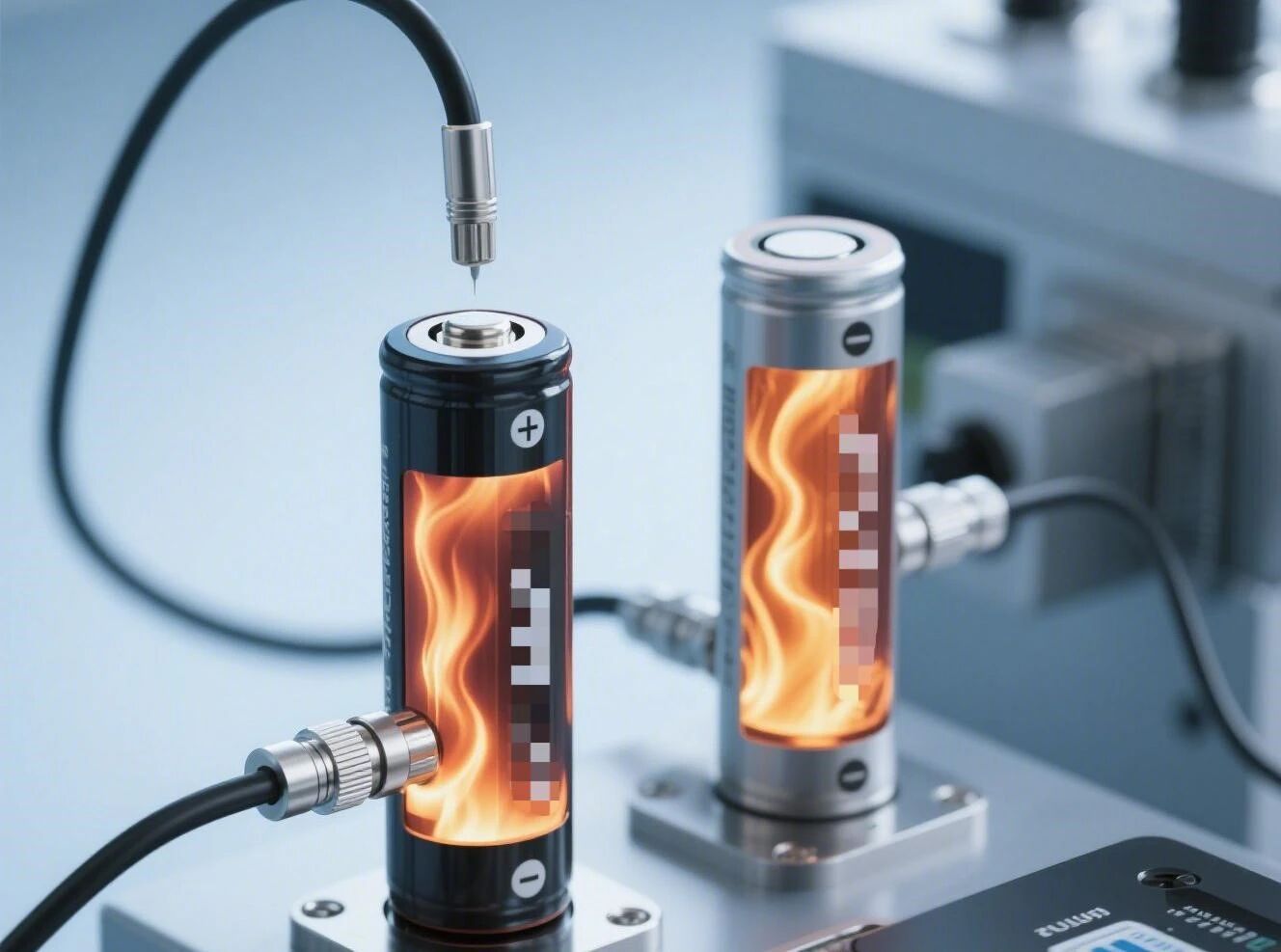
Interpretation of Core Test Items
Complete Unit Safety Testing (7 Stringent Requirements in Total)
- Overcharge Protection: Evaluates the device’s protective functionality in overcharging scenarios.
- Over-discharge Protection: Evaluates the device’s protective functionality in over-discharging scenarios.
- Short Circuit Protection: Evaluates the device’s protective functionality in short-circuit scenarios.
- Overload Protection: Evaluates the device’s protective functionality under overload conditions.
- Misoperation Protection: Evaluates the device’s protective functionality against user error or improper operation.
- Intelligent Management: Evaluates whether the power bank is equipped with an intelligent management system capable of real-time monitoring and adaptive adjustment to ensure the safety of lithium-ion batteries throughout their entire lifecycle.
- Float Charge Protection: Evaluates whether the power bank includes a float charge protection feature.
1. Nail Penetration Test (Critical Focus)
- Test Standard: A 4mm-diameter tungsten steel needle with a 14-degree conical tip penetrates the geometric center of the cell at a speed of 5mm/s.
- Stringent Requirement: The cell must not catch fire or explode for 5 minutes following the penetration.
2. Thermal Abuse Test
- After being exposed to a temperature of 135°C for 60 minutes, the cell must not catch fire or explode.
3. Crush Test
- Under a force of 20 kN applied to the cell, it must not catch fire or explode.
4. Overcharge Test
- The cell is charged with its recommended current to a voltage 1.3 times its specified charge limit voltage. A constant voltage is then maintained for 7 hours or until its temperature drops by 20%, during which the cell must not catch fire or explode.
5. Lithium Plating Detection
This new regulation is expected to drive the industry to phase out obsolete capacity. It is advisable for companies to proactively prepare and align with these upcoming standards.
Post time: Dec-09-2025


